
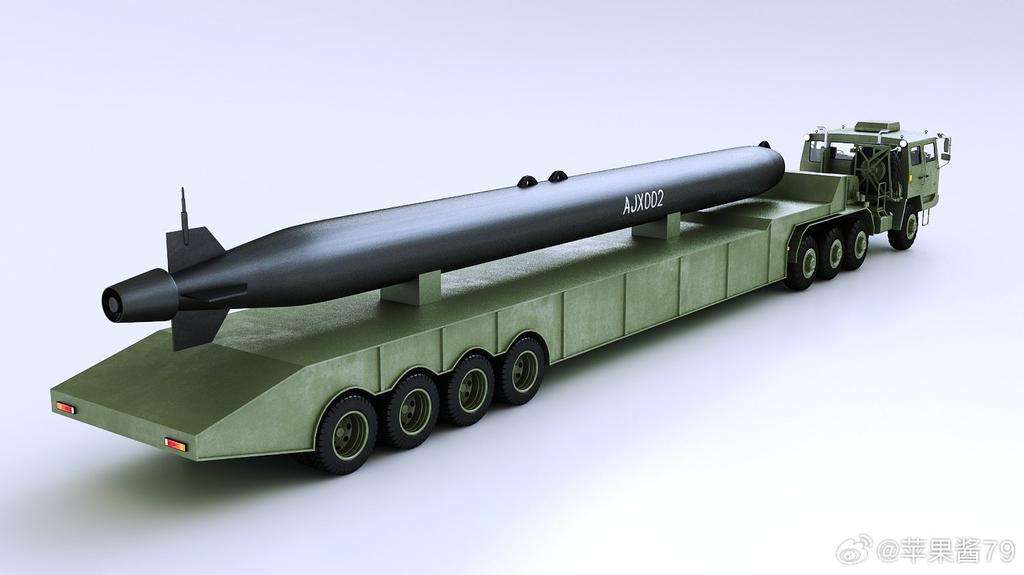
China unveils giant drone subs, including AJX002 UUV, in Beijing parade — a leap in undersea autonomous capability
China publicly unveiled multiple extra-large unmanned underwater vehicles, including the AJX002 and a larger HSU100-type model, during its Sept. 3, 2025 victory parade — a visible step-change in PLAN undersea autonomous capability that could reshape regional anti-submarine operations.
- Public reveal: At least six extra-large UUVs were displayed — four AJX002-type and two larger HSU100-type models.
- Design cues: Torpedo-shaped hulls, pump-jet rear sections and minimal masts suggest quiet transit and extended endurance.
- Potential missions: Torpedoes, mines, advanced sensors or autonomous scouting and counter-sensor tasks are plausible roles.
- Strategic impact: The program signals a step toward operational XLUUV squadrons with implications for Indo-Pacific ASW and undersea infrastructure security.
Overview
What happened: During the Sept. 3, 2025 Beijing victory parade China displayed at least six extra-large torpedo-shaped unmanned underwater vehicles (UUVs): four AJX002-type units and two larger models widely identified as HSU100-type. Visual analysis and open-source reporting underpin the measurements, designs and operational hypotheses summarized below.
Design, size and appearance
Photographs and video from the parade show smooth, long torpedo-shaped hulls with minimal external protrusions. Observers estimated lengths of roughly 18–20 meters for both the AJX002 and the larger sibling. The AJX002’s hull measured about 1–1.5 meters in diameter, while the larger model was an estimated 2–3 meters across and featured twin masts or stern fins suggesting additional control surfaces for deep operations.
Notable visual cues: smooth hulllines, lifting lugs consistent with crane-handling, and twin vertical surfaces on the larger model.
Propulsion and endurance: what the public images suggest
Rear sections resemble pump-jet arrangements — a quieter option than open propellers that supports reduced acoustic signature. The parade images showed limited or no obvious ventilation/communication masts, prompting analysts to note the absence of surfacing-dependent diesel-electric indicators. That absence has generated speculation about long-endurance powerplants, including the possibility of nuclear propulsion, though Chinese officials did not confirm propulsion types.
Deployment and modular design
Visible lifting lugs and fittings indicate these UUVs are designed for crane-assisted handling and modular transport. That implies flexibility for shipboard carriage, overland relocation, or shore-based launch and recovery — enabling operational reach beyond proximate waters and easier logistics for serial production or squadron deployment.
Weapons, sensors and mission sets
Analysts and observers suggest several plausible payloads and missions:
- Offensive payloads: conventional torpedoes or mines carried internally or via modular payload bays.
- Sensor suites: multi-sensor arrays for long-range undersea surveillance and submarine tracking.
- Counter-sensor roles: specialist payloads to degrade or bypass allied undersea sensor networks.
- Autonomous scouting: persistent deployments to augment or complicate traditional anti-submarine warfare (ASW).
Official parade remarks did not list armaments or sensors; these roles are inferred from size, shape and expert commentary.
Scale of the program and comparisons
Observers note China now runs one of the world’s largest XLUUV programs, with several large unmanned submarine designs tested since 2022. The presentation of six large units suggests a shift from prototype phases toward serial production or operational squadrons. The silhouette invites comparison with other large autonomous or strategic undersea systems — generating questions about possible strategic roles, though China has not said these platforms are nuclear-armed.
Geopolitical and military implications
Large, quiet and autonomous platforms complicate ASW, threaten undersea infrastructure and change detection paradigms. For U.S. forces and regional partners in the Indo-Pacific, such platforms can degrade the reliability of undersea sensors and patrols, forcing new investments in countermeasures and operational concepts. The parade display is also a deliberate signal that Beijing is prioritizing undersea autonomy.
Parade context and messaging
Military parades are curated demonstrations of capability. Displaying multiple XLUUVs in a national parade conveys that these vehicles are intended as visible elements of modern naval power, inviting scrutiny of their shape, scale and deployment intent even as technical details remain secret.
Implications for Los Angeles, California
Economic impact: Los Angeles’ maritime industry, ports and local defense firms could see increased federal contracting, shipbuilding and R&D funding as responses ramp up.
Political consequences: State and local debates may shift toward defense spending priorities and coastal security measures.
Social and cultural effects: Changes in naval posture can affect local jobs, university research agendas and civic conversations about trade and technological leadership. For most residents the immediate daily impact will be limited, but indirect effects (jobs, contracts, research funding) are likely.
Sources and further reading
- Army Recognition: China prepares debut of new giant unmanned underwater vehicle in upcoming parade
- Asia Times: Giant Chinese drone subs to punch holes in US seabed surveillance
- The Independent: Beijing military parade coverage, including weapons displays
- HiSutton analysis: Chinese XLUUV AJX002
- Video analysis: Footage and commentary on the UUVs
Reporting notes
This article is based on visual analysis, open-source reporting and expert commentary published ahead of and during the Sept. 3, 2025 parade. Chinese official statements did not disclose full technical specifications or intended armaments. Where public photos and videos allowed measurement or comparison, observations are noted and attributed to the cited sources above.


