
Seattle mayor’s “bye” to departing millionaires fuels debate over Seattle millionaire tax and Washington progressive tax
Seattle Mayor Katie Wilson dismissed fears that wealthy residents would flee after Washington enacted a 9.9% tax on incomes above $1 million, calling migration concerns “super overblown” and quipping, “if the ones that leave, like, bye.”
- Mayor Wilson defended the state millionaire tax and said claims of mass exodus are “super overblown.”
- Washington’s new top rate is 9.9% on annual incomes over $1 million; supporters say revenue will fund services.
- Reactions split: tech and business leaders criticized the tone; progressives framed it as pragmatic revenue-making.
- City fiscal context: Wilson’s office is exploring progressive local revenue while weighing competitiveness and a large budget gap.
What Wilson said at Seattle University
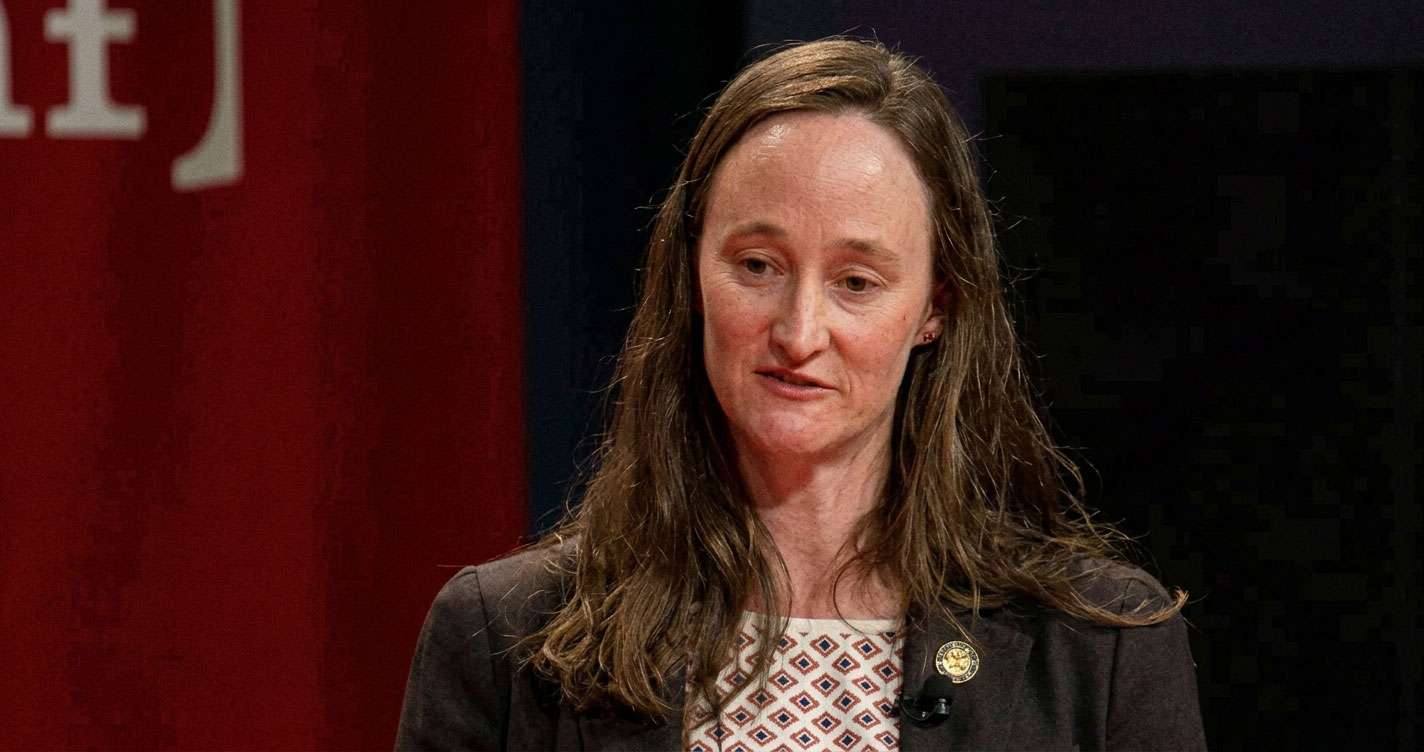
At a Seattle University event on April 14, 2026, Mayor Katie Wilson characterized progressive taxation as difficult, sustained work rather than a quick fix. She reiterated long-standing support for higher levies on the very wealthy and praised the state’s recently passed millionaire tax.
On migration fears, Wilson said claims that millionaires would flee were “super overblown,” and added the line that sparked headlines:
“if the ones that leave, like, bye.”
The remark drew laughter and applause from the audience and became a focal point for subsequent debate.
Policy context and fiscal framing
Wilson framed her comments within a policy argument: Washington’s tax mix is regressive and burdens lower-income households disproportionately. She emphasized that Seattle and King County have limited tools to pursue progressive local revenue and stressed care not to undermine the city’s competitiveness with neighboring cities such as Bellevue.
Her office said budget staff are studying options that avoid increasing the cost of employing people inside Seattle and that underperforming programs would face cuts rather than be maintained for political reasons. See details on her campaign page: Mayor Katie Wilson campaign policy on progressive revenue.
Background: the Seattle millionaire tax and the wider Washington debate
Washington’s recent statewide measure establishes a 9.9% top rate on annual incomes over $1 million. Supporters argue the revenue will fund libraries, parks, housing, shelter and emergency response while easing regressive burdens on low- and middle-income households.
Opponents warn that higher taxes on the wealthy risk driving businesses, investment and high-earners out of the state, concerns commonly voiced by the tech sector and business groups. Media coverage framed Wilson’s comment both as an offhand quip and as a sign of officials’ increased willingness to accept some capital mobility in service of funding public priorities.
Reactions and political context
Mixed responses: Tech leaders and business groups criticized the tone as dismissive of capital mobility; conservative outlets argued the mayor signaled she welcomed wealthy departures. Progressive allies described Wilson’s stance as pragmatic — a trade-off to secure revenue for essential services.
Coverage examples include reporting from GeekWire and commentary at the National Review. Those pieces reflect how the same remark can be read as tone-deaf by industry stakeholders and as politically expedient by opponents.
Wilson’s fiscal priorities and the city budget
Mayor Wilson, who took office in November 2025, is confronting a large structural budget gap. Her office says it aims to be progressive about revenue while being disciplined about spending: cutting underperforming programs and exploring revenue that does not raise employer costs in Seattle.
She emphasized balancing revenue needs with competitiveness, warning that making downtown costs much higher than nearby Bellevue could harm business location decisions.
Limits of current evidence on millionaire migration
At this stage, hard data showing a post-tax exodus of millionaires from Washington is limited. Economists note relocation decisions by high-income households depend on many factors beyond tax rates — jobs, family ties, housing, services and quality of life. Short-term rhetoric has outpaced long-term empirical evidence.
Vetted studies and multi-year migration data will be required to determine whether Washington’s millionaire tax meaningfully alters where wealthy households and businesses choose to locate.
Implications for Los Angeles
Economic impact
Tax debates in Seattle and Washington can ripple to other West Coast markets. Los Angeles businesses and high-earners watch such policy changes for potential effects on regional competitiveness and company location decisions. Any movement of wealth is likelier to be incremental unless tied to broader national trends.
Political consequences
Seattle’s experience offers lessons for California leaders on messaging, legal challenges and economic trade-offs. Wilson’s blunt phrasing — “if the ones that leave, like, bye” — illustrates the political risks of frank rhetoric and how both supporters and opponents can use a single line to shape debate.
Social effects
Progressive tax revenues often target services that matter in Los Angeles too — housing support, parks, libraries, shelters. LA observers will gauge whether Washington’s revenues translate into measurable service improvements without harming jobs.
Cultural relevance
The exchange highlights broader cultural divisions about wealth and public responsibility. In diverse cities like Los Angeles, framing matters: messaging perceived as dismissive can alienate moderates and reshape political coalitions.
Practical applications for residents
- Watch Washington’s rollout for revenue amounts, program performance and business responses.
- Ask specific questions about revenue tracking, program allocation and employment impacts before supporting similar measures locally.
- Use Washington’s experience to inform ballot language, legal strategy and public messaging in Los Angeles.
Sources and coverage
- GeekWire: Seattle mayor’s “bye” comment and coverage of event
- Seattle University event video (April 14, 2026)
- Mayor Katie Wilson campaign policy on progressive revenue
- National Review commentary on the political angle
Reporting and source material compiled from the items above.


