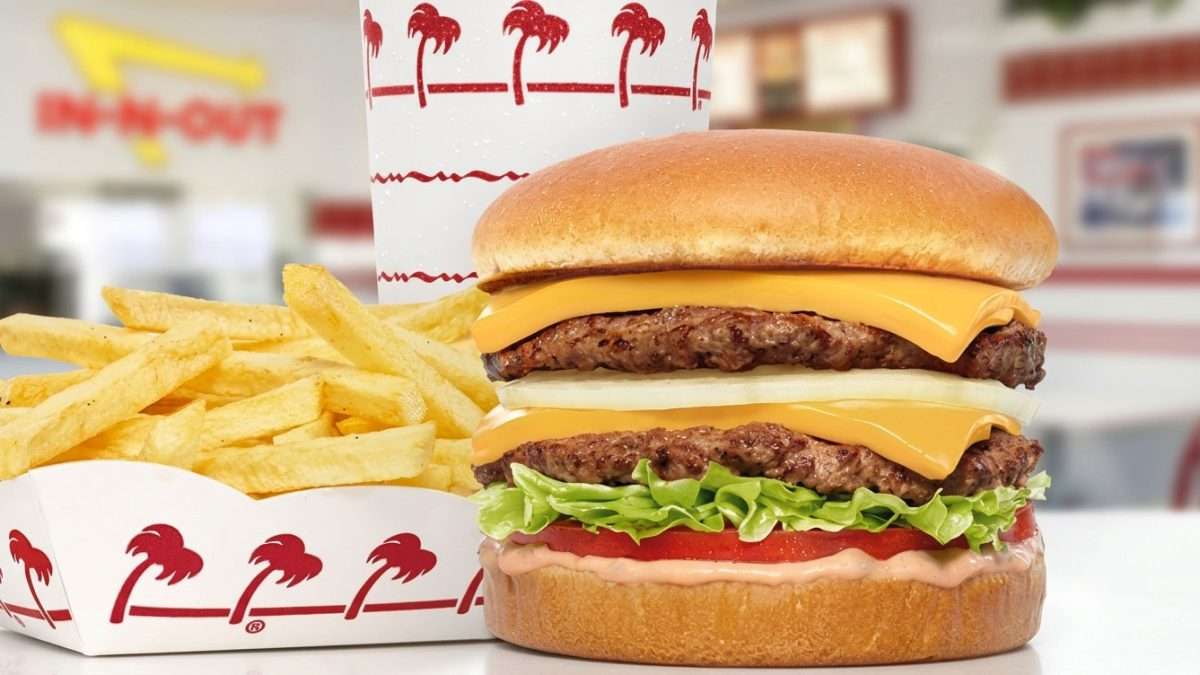
CULVER CITY, Calif., July 27 (Our Los Angeles) — In-N-Out Burger’s plan for a new drive-thru in Culver City has grown into something bigger than one restaurant proposal. The fight now centers on a broader question: should the city allow any new drive-thrus at all?
The proposed restaurant would go at the northeast corner of Sepulveda and Sawtelle boulevards inside the Studio Village Shopping Center. If it is built, city staff say it would be the first new drive-thru in Culver City since 1997.
What is the proposal?
In-N-Out has proposed a drive-thru at a busy Westside Los Angeles intersection in Culver City, according to city staff reports cited in local coverage. The project is still under review, and the supplied records do not show a final city decision on the restaurant itself.
The plan matters because drive-thrus are common in many Southern California shopping centers, but Culver City has no new one approved since the late 1990s.
Why are residents opposing it?
At public meetings, residents and city officials raised concerns about traffic, long car queues, idling engines, air quality, odors, trash, pests, pedestrian safety, late-night activity, and the project’s proximity to El Rincon Elementary School and Blanco Park.
Several residents spoke against the project in city meetings. Leah Pressman called drive-throughs “pollution monsters” and said they are “obsolete.” Theresa Attias raised concerns about the smell from nearby food service affecting children at school.
The city’s own moratorium language and staff report also point to concerns about congestion and neighborhood impacts around drive-thrus.
Why does the pollution issue keep coming up?
The environmental concern is not just about one restaurant. It is about what happens when cars sit in line with engines running.
Daniel Mendoza, an assistant professor at the University of Utah, told The Los Angeles Times and KTLA that idling cars release nitrogen oxides and volatile organic compounds. He said those emissions can create a pollution hotspot near drive-through facilities.
That is why some residents and city officials see a drive-thru as a land-use issue with air-quality consequences, especially near a school and park.
What has Culver City done so far?
The Culver City City Council first adopted a 45-day moratorium on new drive-thrus after hearing from residents. It later extended that temporary ban while staff studies a possible permanent prohibition.
Under the temporary freeze, existing drive-thrus in the city can continue operating. Published reports differ on whether Culver City has eight or nine existing drive-thrus, so the total is not consistent across the supplied coverage.
The city’s Mobility Subcommittee has recommended drafting an ordinance to ban new drive-thrus, and city staff said the idea does not fit with Culver City’s General Plan 2045.
What would a permanent ban mean?
A permanent ban would stop new drive-thrus from opening in Culver City citywide, unless the council later changes the rule.
That is why the In-N-Out proposal has become a test case. The city is not only deciding whether this one restaurant should move forward, but also whether drive-thrus belong in its future planning rules at all.
What do supporters of drive-thrus say?
Jot Condie, president of the California Restaurant Association, argued that drive-thrus help families with young children, older adults, and people with disabilities. He said they can improve access for people who may have trouble going inside a restaurant.
That argument is part of the larger policy debate: one side sees drive-thrus as a traffic and pollution problem, while the other sees them as a convenience and accessibility tool.
What happens next?
The supplied records say staff are still working on the permanent-ban idea, with the proposal expected to move through the city’s review process before returning to the council. The exact timing of a final vote was not clear in the materials reviewed.
For now, the In-N-Out plan is still tied up in Culver City’s broader debate over how much space the city should give to car-centered dining.