
Marjorie Taylor Greene resigns from Congress after Trump withdraws endorsement, calls her a ‘ranting lunatic’
Marjorie Taylor Greene announced she will resign from Congress effective Jan. 5, 2026, after former President Donald Trump withdrew his endorsement and called her a “ranting lunatic,” a move that has intensified debate over GOP unity and conservative politics.
- Resignation date: Greene said she will leave office on Jan. 5, 2026. Source: Fox News, KHQ.
- Trigger: The move followed a Truth Social post in which Trump called Greene “Wacky” and “a ranting lunatic” and said he might back a primary challenger. Source: Fox News, iNews Zoombangla.
- Aftermath: Greene apologized for participating in “toxic politics,” criticized the “Political Industrial Complex,” and said she will continue political work outside Congress. Source: Fox News, Hudson Valley Beacon.
Background: the announcement and what Greene said
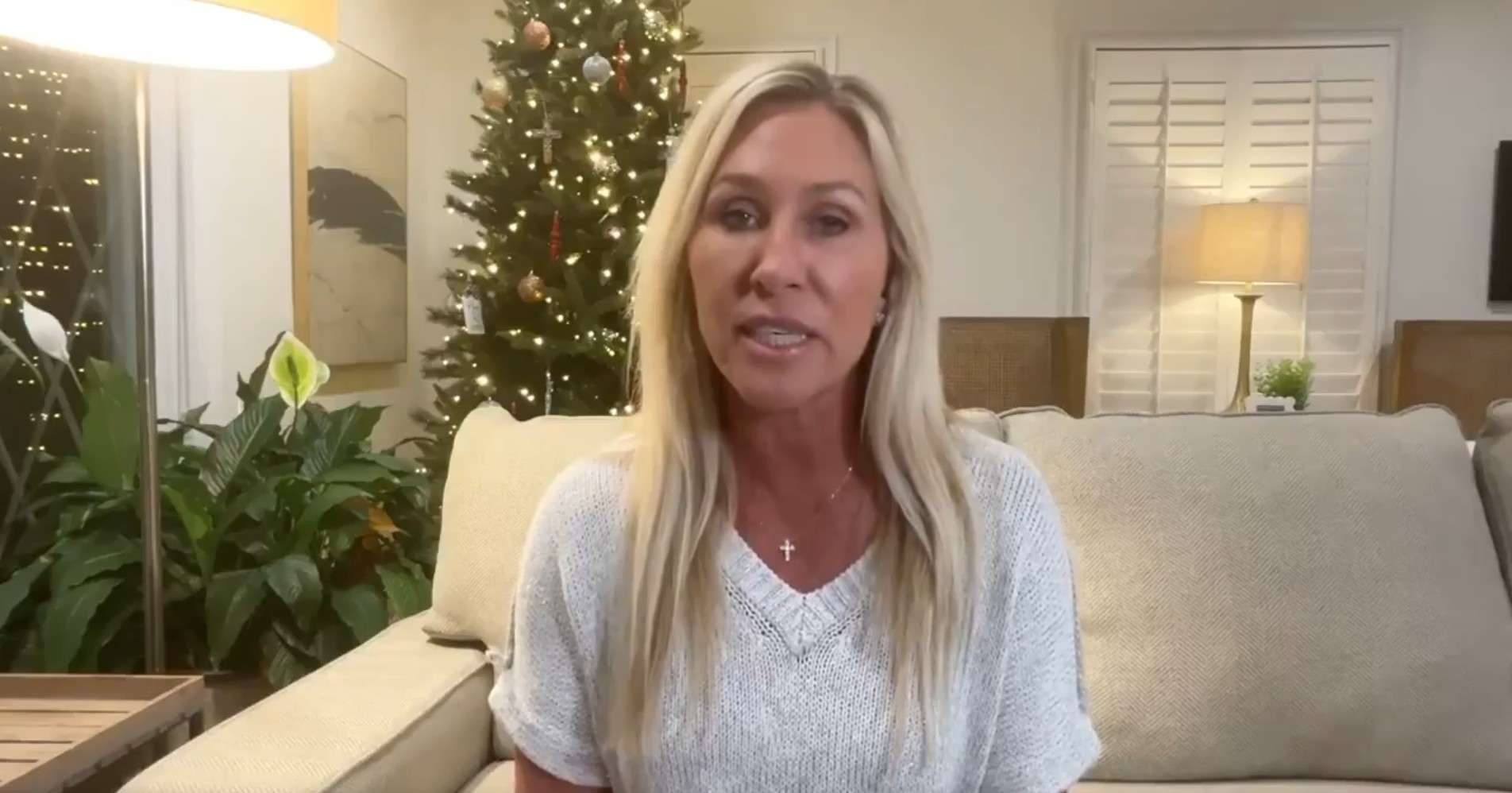
Greene posted a public statement on X (formerly Twitter) and released a video message announcing her resignation. In that statement she said she had “never fit in” in Washington, D.C., and accused the political system of using Americans to fuel partisan hate. She wrote:
“Americans are used by the Political Industrial Complex of both political parties…to elect whichever side can convince Americans to hate the other side more…nothing ever gets better for the common American man or woman.”
She also offered a rare apology: Greene said she was sorry for participating in “toxic politics” and framed her exit as a shift toward activism and political work outside Congress, without specifying concrete next steps. Source: Fox News.
Trump’s role: withdrawal of support and public criticism
Timeline: The resignation announcement came roughly a week after former President Trump used Truth Social to rescind his endorsement of Greene. In that post he labeled her “Wacky” and “a ranting lunatic”, and suggested he might back a different candidate in a primary.
Analysts say the public break underscores tensions within the Republican Party between Trump’s enduring influence and the hard-right figures who rose alongside him. Source: iNews Zoombangla, Fox News.
Policy disputes and reported causes
Media reports linked the rupture to policy disagreements and public posture, including Greene’s public push for the release of Jeffrey Epstein documents. That dispute and broader differences over strategy and temperament were cited as contributing factors. Source: iNews Zoombangla.
Political fallout and reactions
Political analysts described the episode as a revealing moment for the GOP. Some observers view it as proof of Trump’s continued sway over endorsements; others say Greene’s resignation highlights limits on that power when relationships fracture publicly and quickly.
Within Congress, Greene has been polarizing since her 2020 election — criticized for incendiary comments and confrontational tactics while praised by supporters as a challenger to the establishment. The episode has renewed debate over party discipline, candidate vetting, and personality-driven politics. Sources: iNews Zoombangla, Fox News.
Timing and next steps for her seat
Greene said her resignation takes effect on Jan. 5, 2026. At the time of reporting there was no additional response from her congressional office and no announcement on whether she will pursue another office or political project. Local and state officials typically set dates for special elections or appointments to fill vacated House seats, depending on state law and timing of primaries. Source: Fox News.
Implications for the Republican Party
The episode sharpens questions about the GOP’s direction: if a former president can publicly repudiate a sitting member and precipitate a resignation, party leaders may need to reassess how endorsements and loyalty shape congressional behavior. Some Republicans may view this as a warning about the cost of public dissent with Trump; others see an opening to promote candidates with broader appeal. Analysts point to deeper divisions between the party’s far-right wing and Trump-aligned pragmatists. Sources: iNews Zoombangla, Fox News.
Implications for Los Angeles, California
- Political consequences: While Los Angeles is strongly Democratic, national ripple effects could influence California GOP strategy, messaging, and candidate selection ahead of 2026. Sources: Fox News, iNews Zoombangla.
- Economic and policy impact: The resignation does not directly alter federal funding for Los Angeles in the short term, but changes in committee assignments and GOP strategy can affect national debates on taxes, immigration, and spending that matter to California. Source: Fox News.
- Social and cultural effects: L.A.’s discourse often mirrors national debates; this high-profile break could spur local conversations about political tone, accountability, and the role of personality in politics. Source: Fox News, Hudson Valley Beacon.
- Practical advice for voters: Los Angeles voters should monitor national party dynamics ahead of 2026 and factor potential shifts in messaging and funding into outreach and voter-education planning. Source: Fox News.
Reporting notes and sources
This report is based on initial public statements and media coverage. Key sources include Fox News, KHQ, iNews Zoombangla, and reporting from Hudson Valley Beacon. No immediate official response from Greene’s congressional office was available beyond her public statement at the time of reporting.
Note: This is an evolving story. Further reporting will track who runs to replace Greene, how Republican leadership responds, and the implications for national campaigns leading into 2026.


