
Former Fed Chairs, Treasury Secretaries Decry DOJ Probe of Powell as Threat to Fed Independence
A Department of Justice criminal probe into Federal Reserve Chair Jerome Powell’s testimony about a $2.5 billion renovation has drawn rare, bipartisan condemnation from former Fed chairs and Treasury secretaries, who say the inquiry threatens central bank independence.
Key takeaways
- Senior economic officials united: Former Fed chairs Alan Greenspan, Ben Bernanke and Janet Yellen, plus ex-Treasury chiefs Timothy Geithner and Henry Paulson, issued a joint statement calling the probe a “prosecutorial attack” on Fed autonomy.
- Timeline and basis: The inquiry follows Powell’s June 2025 Senate testimony about a roughly $2.5 billion Fed renovation and a July 2025 criminal referral from Rep. Anna Paulina Luna.
- Political and legal stakes: Powell says the investigation risks pressuring the Fed to cut rates and could chill routine policymaking; lawmakers across the aisle expressed concern about weaponizing prosecutions.
- Local impact: Los Angeles borrowers, municipal bond issuers and construction firms could face consequences if Fed independence or market confidence is undermined.
Background on the renovation inquiry and Powell’s testimony
What started this dispute: In June 2025, Powell testified to the Senate Banking Committee about a major renovation of Federal Reserve buildings estimated at about $2.5 billion. During that hearing he said amenities that appeared in an earlier 2021 proposal — such as a rooftop terrace, private elevators and dining rooms for senior staff — were no longer part of the project. Reporting on that testimony is available from ABC News.
After rising cost estimates and public scrutiny, Rep. Anna Paulina Luna referred Powell to the DOJ in July 2025 alleging false statements in his testimony. In January 2026 the Justice Department issued grand jury subpoenas and confirmed a criminal investigation; Powell disclosed the inquiry in a video statement on Jan. 11, 2026, and denied wrongdoing (see the Federal Reserve statement).
The Fed has explained that the cost increase resulted from factors such as construction-market inflation and a plan to consolidate operations into fewer buildings — changes the Fed says will yield long-term savings. The investigation centers on whether Powell’s testimony accurately reflected how the original 2021 plan evolved.
Who signed the joint statement and what they said
On Monday, January 12, 2026, a bipartisan group of former economic leaders issued a forceful joint statement criticizing the DOJ action. Signatories included former Fed chairs Alan Greenspan, Ben Bernanke and Janet Yellen, plus former Treasury secretaries Timothy Geithner and Henry Paulson, and former chairs of the Council of Economic Advisers from both parties.
“These prosecutorial attacks are intended to erode the Fed’s autonomy and undercut its ability to conduct monetary policy without political pressure,” the statement said, warning that the probe departs from norms that protect central bank independence.
The signers — who collectively led the Fed across roughly three decades and several administrations — cautioned that exposing Fed officials to criminal vulnerability for routine or evolving management decisions could chill decision-making and harm long-term economic stability. Coverage of the joint statement and the reaction is chronicled by ABC News.
Legal and political fallout
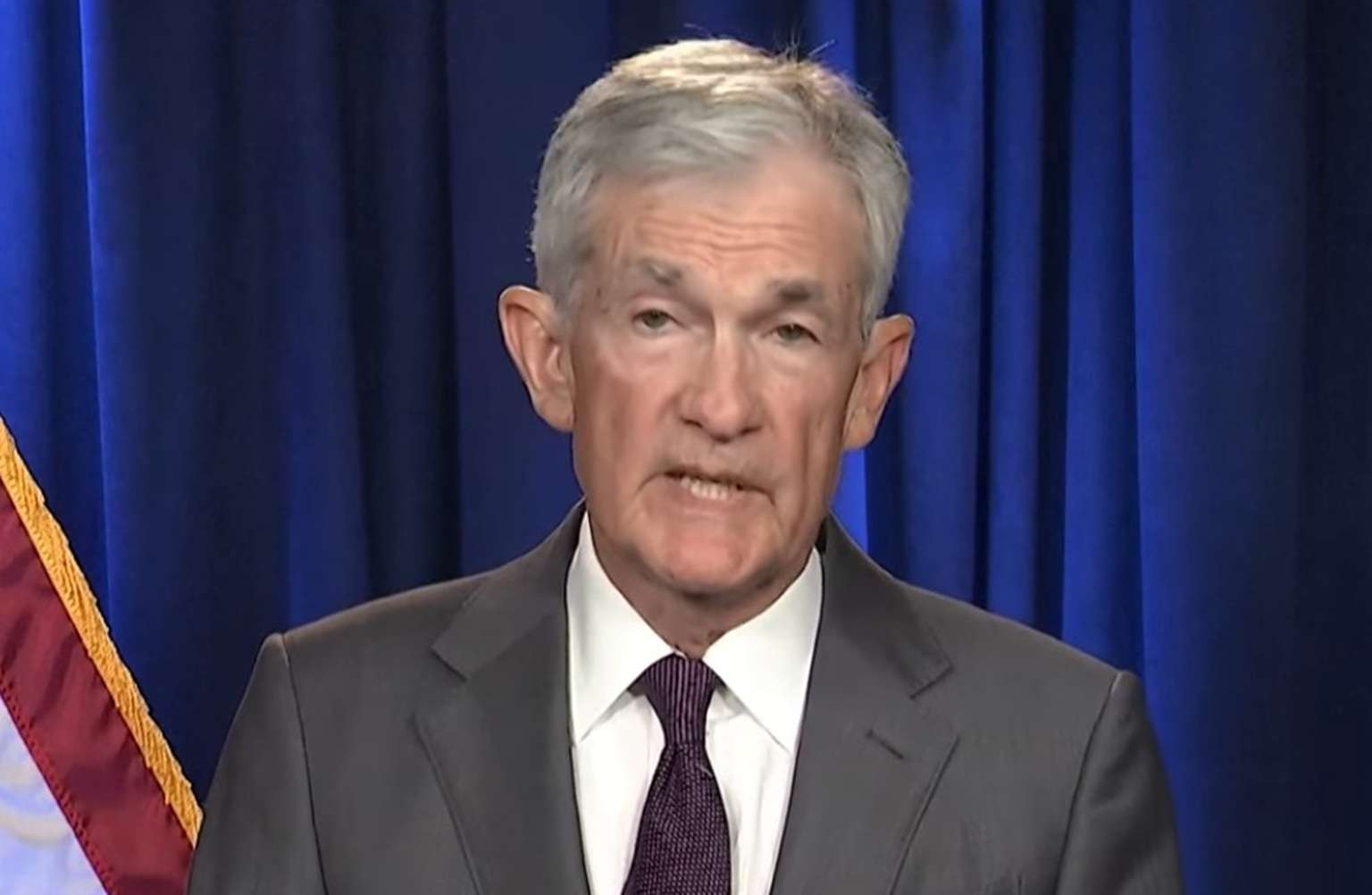
Powell’s position: Powell has framed the probe as a pretext meant to pressure the Fed toward earlier rate cuts and warned that the investigation could lead to decisions driven by “political pressure or intimidation” rather than economics (Federal Reserve).
Reactions in Washington were mixed. Former President Donald Trump denied directing the DOJ while persisting in public criticism of Powell’s rate policy and the renovation; White House Press Secretary Karoline Leavitt defended the president’s right to public criticism while asserting support for Fed independence; Attorney General Pam Bondi described the probe as routine oversight of taxpayer funds. Reporting on the investigation’s congressional and political fallout is available from Politico and Fox Business.
Congressional reaction: The probe prompted uncommon GOP pushback: some Republicans signaled they would block Trump Fed nominees until the matter is resolved, while others sought oversight of the DOJ’s approach. Democrats framed the action as an attempt to intimidate the Fed into political compliance.
Legal analysts now focus on whether prosecutors can meet the high bar for proving criminal intent for testimony that may reflect evolving plans and cost estimates — a point emphasized by the bipartisan group defending Powell.
Coverage and credibility: how sources describe the dispute
Major outlets have tracked the story and the rare show of unity from past Fed and Treasury leaders. ABC News reported the joint statement and detailed Powell’s disclosure of grand jury subpoenas; other outlets have mapped the political responses and legal questions surrounding prosecutorial standards and Fed independence.
Analysts note the unusual optics: a criminal probe into the Fed chair is historically rare and strikes at the core principle of central bank independence that many economists see as essential to controlling inflation and stabilizing markets.
Implications for Los Angeles, California
The dispute has local economic, political and social implications for Los Angeles:
- Interest-rate risk: L.A.-area borrowers and businesses closely track Fed policy. Pressure that leads to earlier cuts could lower short-term borrowing costs but risk higher inflation later; conversely, undermined Fed credibility could raise long-term rates and mortgage costs.
- Markets and investment: A politicized Fed could increase volatility, affecting local investment, commercial real-estate valuations and funding costs for infrastructure.
- Federal contracting and construction: The renovation controversy touches contractors and suppliers in Southern California who may face heightened scrutiny and compliance costs on future projects.
- Political consequences: Southern California’s congressional delegation may call for hearings or letters demanding clarity; voter perceptions about institutional independence could shape local and statewide campaigns.
- Social impact: Any shifts in mortgage and borrowing costs will affect housing affordability, municipal budgets and nonprofit funding for local services and capital projects.
Practical applications for Los Angeles residents
- Monitor rates: Homeowners and prospective buyers should watch Fed announcements and market reactions tied to the probe.
- Follow local funding timelines: City and county planners may revise bond issuances or capital timelines in response to changing borrowing costs.
- Engage with representatives: Residents concerned about Fed independence or accountability can contact members of Congress to express their views.
Sources and reporting notes
This article draws on reporting and public remarks, preserving original facts and URLs:
- ABC News — coverage of the DOJ probe and the joint statement.
- ABC News — reporting on Powell’s June testimony, the July 2025 referral and DOJ action.
- Federal Reserve — Powell’s Jan. 11, 2026 public remarks and disclosure of the inquiry.
- Politico — coverage of congressional reaction and debate over politicization.
- Fox Business — reporting on GOP pushback and political implications.
Note: All facts, dates and URLs above are preserved from source reporting.


