
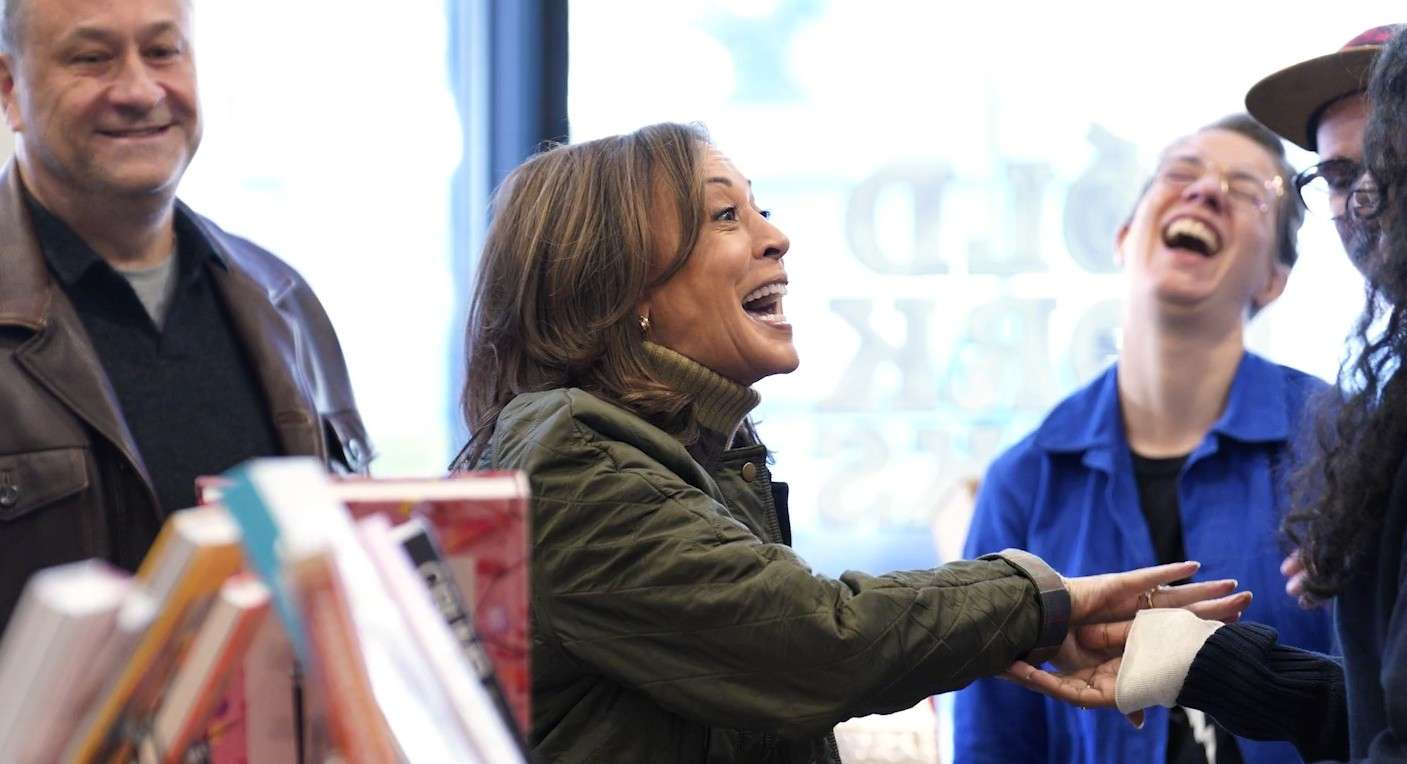
LAPD ends temporary protection at Kamala Harris’ Brentwood home after uproar over diverted patrols
The Los Angeles Police Department has ended its temporary protective detail for former Vice President Kamala Harris at her Brentwood residence effective Sept. 6, 2025, following internal and public backlash over diverting Metro officers from crime‑suppression work.
Key takeaways
- LAPD reassigned Metro officers back to patrols on Sept. 6, 2025, after criticism over reduced crime‑suppression capacity; reporting by Los Angeles Times.
- Secret Service coverage had been rescinded after an 18‑month extension was pulled by President Trump, prompting local agencies to fill the gap (ABC7; Los Angeles Times).
- CHP led protection efforts while about a dozen LAPD Metro officers temporarily assisted; the move sparked union and public criticism (Fox29).
What happened, and why
When President Trump rescinded the Biden administration’s 18‑month extension of Secret Service protection for former Vice President Kamala Harris, local agencies rapidly adjusted to avoid a security lapse. The California Highway Patrol moved to lead protection efforts, and the LAPD Metropolitan Division temporarily assigned roughly a dozen officers to assist while a longer‑term arrangement was negotiated.
Metro officers are typically deployed for targeted crime suppression in neighborhoods experiencing spikes in violent crime, burglaries and auto theft. Union leaders argued that pulling these specialized teams from the street undermined enforcement where it was most needed. The Los Angeles Police Protective League said officers were “pulled from protecting everyday Angelenos to protect a failed presidential candidate… who can easily afford to pay for her own security,” urging that taxpayers should not bear the cost (Fox29; ABC7).
Officials and the mayor
City officials, including Mayor Karen Bass, defended the initial decision as a short‑term precaution to prevent any security gap. “This was put in place to ensure there was no gap in protection for a former vice president while a permanent plan was worked out,” city statements reported by the Los Angeles Times said.
As criticism mounted from rank‑and‑file officers, the union and segments of the public, the LAPD reversed course. On Sept. 6 the department announced Metro officers were reassigned to regular duties, while the CHP continued its protective role for the time being (Los Angeles Times).
How many officers were involved
Local reporting estimates the temporary LAPD Metro detail involved about a dozen officers. These personnel usually handle tactical operations and targeted street enforcement; their reassignment raised concerns about the effect on crime‑suppression operations in areas like the San Fernando Valley (Los Angeles Times; Fox29).
Union reaction and the Crime Suppression Backlash
The Los Angeles Police Protective League framed the withdrawal as a win for public safety, saying officers were “back on the street fighting crime” after the LAPD pulled teams from the protective detail (ABC7).
“Pulled from protecting everyday Angelenos to protect a failed presidential candidate… who can easily afford to pay for her own security,”
The episode fueled a broader debate — the so‑called Crime Suppression Backlash — about the allocation of scarce policing resources, with critics warning that diverting specialized units to protect a high‑profile figure could hamper neighborhood safety efforts (Fox29).
Policy context and precedents
Former presidents and vice presidents typically receive Secret Service protection after leaving office. The Biden administration’s extension of Harris’s coverage to 18 months was unusual but authorized; when President Trump rescinded that extension, local agencies like the CHP and LAPD stepped in to bridge the security gap (Los Angeles Times).
City leaders have emphasized that the LAPD role was never intended to be permanent and expected Harris to arrange private security or other measures while the CHP maintained oversight for protection (Los Angeles Times; ABC7).
Current status and what’s next
As of Sept. 6, LAPD Metro officers have returned to regular patrols and crime‑suppression duties. The CHP continues to provide protective coverage for Harris for the time being, and officials have not publicly confirmed a permanent plan or timeline. Reports indicate Harris is preparing a multi‑city book tour that may require further cross‑jurisdictional security coordination (Fox29; Los Angeles Times).
Implications for Los Angeles
Economic: Reassigning Metro officers to protective duties removed specialized personnel from crime‑suppression work; returning them may relieve neighborhood business concerns about property crime. If private security replaces public protection for high‑profile figures, taxpayers may face fewer demands on city resources.
Political: The episode exposed tensions among city officials, the police union and residents over priority-setting for LAPD resources. The swift reversal may become a talking point in local politics about public safety and budgeting.
Social and cultural: Some neighborhoods may welcome increased enforcement as Metro teams return, while debates about equity in policing may intensify. The incident shows how federal protection decisions can ripple into local street‑level safety and public sentiment.
Residents are advised to request patrol information from local council offices or neighborhood watch programs and press the LAPD for transparency on officer allocation and measurable outcomes tied to returning specialized units to crime suppression.
Sources and reporting
Reporting for this article draws on the Los Angeles Times (Sept. 6, 2025), Los Angeles Times (Sept. 4, 2025), ABC7, Fox29, and a related video report (video).


