
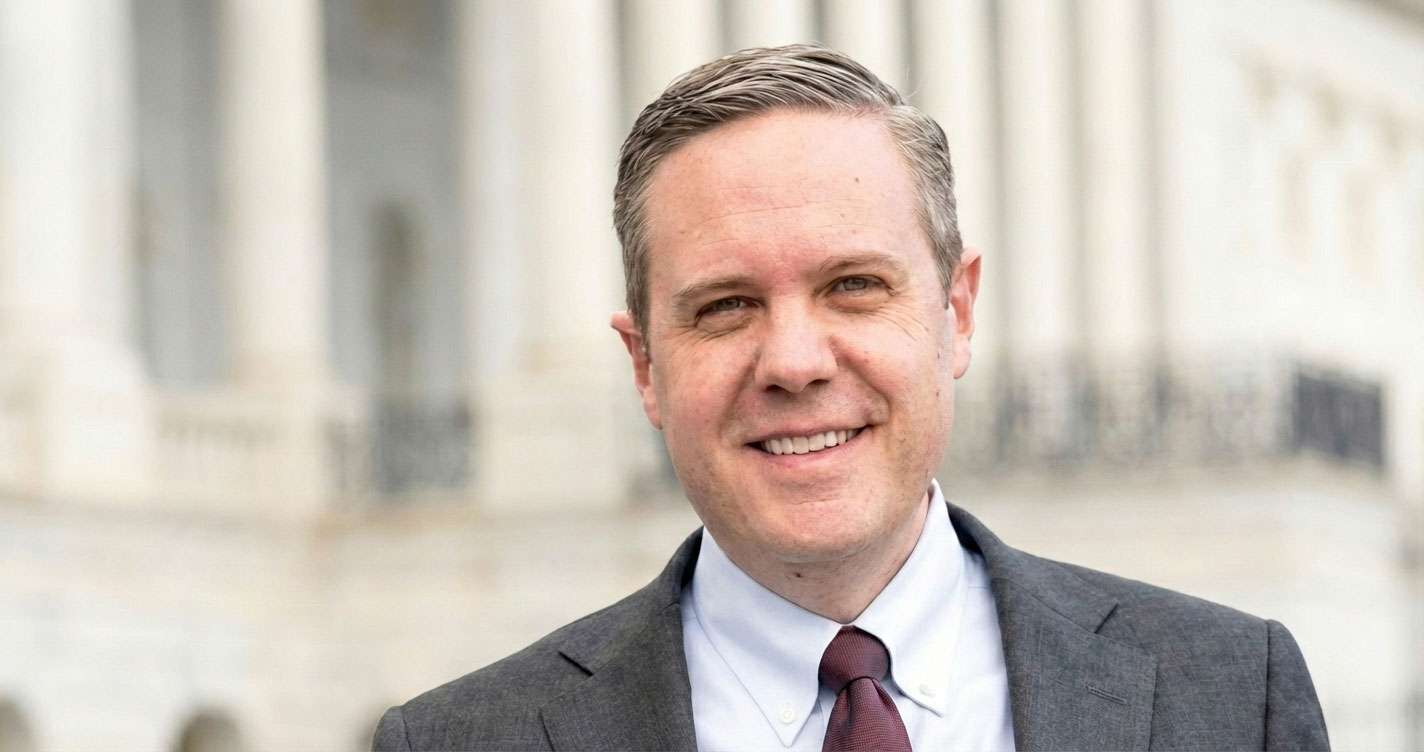
Trump pulls Hurd endorsement in Colorado after dispute over tariffs, backs Hope Scheppelman
Former President Donald Trump rescinded his endorsement of Colorado Rep. Jeff Hurd after Hurd opposed his tariff policies, then immediately backed challenger Hope Scheppelman, citing her “America First” commitment and setting up a pivotal contest in Colorado’s 3rd District.
- Trump withdrew his endorsement of Rep. Jeff Hurd and immediately endorsed Hope Scheppelman, calling her a “Highly Respected Patriot” — reported by Washington Examiner and Fox News.
- The dispute followed Hurd’s vote for H.J.Res.72 to repeal 25% Canadian tariffs and a Supreme Court ruling limiting emergency tariff authority under the IEEPA — covered by Washington Examiner and Mediaite.
- Hours later, Trump adjusted tariff policy — raising a worldwide tariff from 10% to 15% under Section 122 of the Trade Act of 1974 — as reported by Washington Examiner and Fox News.
Dateline
Grand Junction, Colorado (Times Media Service) — Former President Donald Trump recently rescinded his backing of Rep. Jeff Hurd, marking only the second time he has publicly withdrawn an endorsement of a sitting Republican congressman.
Key information
Important reporting on the episode includes coverage by Washington Examiner, Fox News, and Mediaite.
Hurd’s stance and the Supreme Court ruling
Rep. Jeff Hurd said the Supreme Court decision clarified limits on the International Emergency Economic Powers Act (IEEPA) and emphasized the Constitution’s Article I role in regulating foreign commerce and imposing tariffs. On X, Hurd argued that major trade moves should rest on clear statutory authority and that “strong trade enforcement must be grounded in durable legal footing.”
The Court’s ruling narrowed the president’s ability to use emergency economic powers for broad tariff actions, undercutting the legal basis for the 25% “Liberation Day” tariffs imposed in April 2025 — a point Hurd cited when urging congressional action rather than emergency executive tariffs.
Trump’s withdrawal and message on Truth Social
On Truth Social, Trump accused Hurd of failing to support the administration’s tariff agenda and of protecting foreign interests “at the expense of the United States.” He wrote that Hurd had “let me and our Country down” and labeled him a RINO (Republican In Name Only). Trump announced he was “WITHDRAWING my Endorsement” of Hurd and was instead “fully Endorsing Highly Respected Patriot, Hope Scheppelman.”
According to reporting, this is only the second time Trump has publicly removed support for a sitting Republican congressman — the first being Rep. Mo Brooks in 2022.
Hope Scheppelman: who she is and what Trump highlighted
Trump described Scheppelman as a U.S. Navy veteran, a critical care nurse practitioner, and a former vice chairwoman of the Colorado Republican Party. He framed her as an “America First” candidate and asserted she would not disappoint voters. Scheppelman emerged as the primary challenger after Hurd’s vote on the Canada tariffs and his statements regarding the Supreme Court ruling.
The tariffs vote that triggered the dispute
Hurd voted for H.J.Res.72, a bipartisan measure repealing 25% tariffs on Canada that had been imposed under an emergency declaration. That vote put Hurd at odds with Trump, who warned of retaliation against Republicans opposing the tariffs and signaled possible primary challenges. Hurd maintains the constitutional separation of powers requires Congress — not unilateral executive emergency action — for lasting tariff policy.
Policy maneuvering after the endorsement change
Hours after rescinding the endorsement, Trump adjusted tariff authority by raising a worldwide tariff under Section 122 of the Trade Act of 1974, increasing the rate from 10% to 15%. That move was presented as a way to reclaim some policy effect lost when the Supreme Court limited IEEPA-based tariffs.
Reactions and local campaign effects
The rare public split between Trump and a Republican incumbent has uncertain political consequences in Colorado’s 3rd District. Hurd’s office did not immediately respond to inquiries. Reporters note limited detail so far on how this will affect the general election or primary turnout; campaign impacts for Hurd and Scheppelman remain to be seen.
Sources and reporting
This article draws on reporting from Washington Examiner, Fox News, and Mediaite, which covered Trump’s Truth Social post, Hurd’s X posts, the Supreme Court ruling, and the tariff changes.
Implications for Los Angeles
Economic impact
Los Angeles hosts the nation’s busiest port complex. New or higher tariffs, such as a worldwide 15% increase under Section 122, can raise costs for goods entering through the Port of Los Angeles and Port of Long Beach, pushing up prices for retailers and consumers across Southern California. Higher tariffs may complicate supply chains for local manufacturers and squeeze margins for businesses reliant on imported parts; small businesses selling imported goods could feel immediate pressure.
Political consequences
National trade policy fights can reshape GOP primaries and local politics. In Los Angeles — where trade-related jobs are central — the Trump–Hurd split may influence how local Republicans position themselves on trade and how moderate voters view candidates endorsing aggressive tariff strategies. California Democrats are likely to highlight consumer and supply-chain risks, while pro-tariff Republicans will emphasize protecting U.S. industry and jobs.
Social effects
Higher tariffs often translate into higher consumer prices. For Los Angeles residents already facing a high cost of living, increases in prices for electronics, clothing, or food imports could be felt quickly. Communities tied to cross-border trade, agriculture, tourism, and logistics could see disruptions, and public debate may expand to include immigration and broader economic policy.
Cultural relevance
“America First” trade rhetoric resonates differently in Los Angeles than in parts of Colorado. The city’s economy and culture are deeply connected globally — entertainment, technology, and international commerce — so punitive tariff messaging may clash with local business interests and diverse communities. Local leaders and business groups may push back if tariffs demonstrably harm the region.
Practical applications for residents
- Shippers and logistics companies serving the ports should closely track tariff changes and may need to adjust contracts or pricing.
- Retailers may pass higher import costs to consumers, affecting household budgets for everyday goods.
- Local officials and business groups might engage federal lawmakers seeking exemptions or relief if tariffs cause measurable regional harm.
Bottom line: The Trump–Hurd break is a reminder that national policy fights over trade and executive authority can quickly reshape local politics and have concrete economic consequences for major hubs like Los Angeles.


