
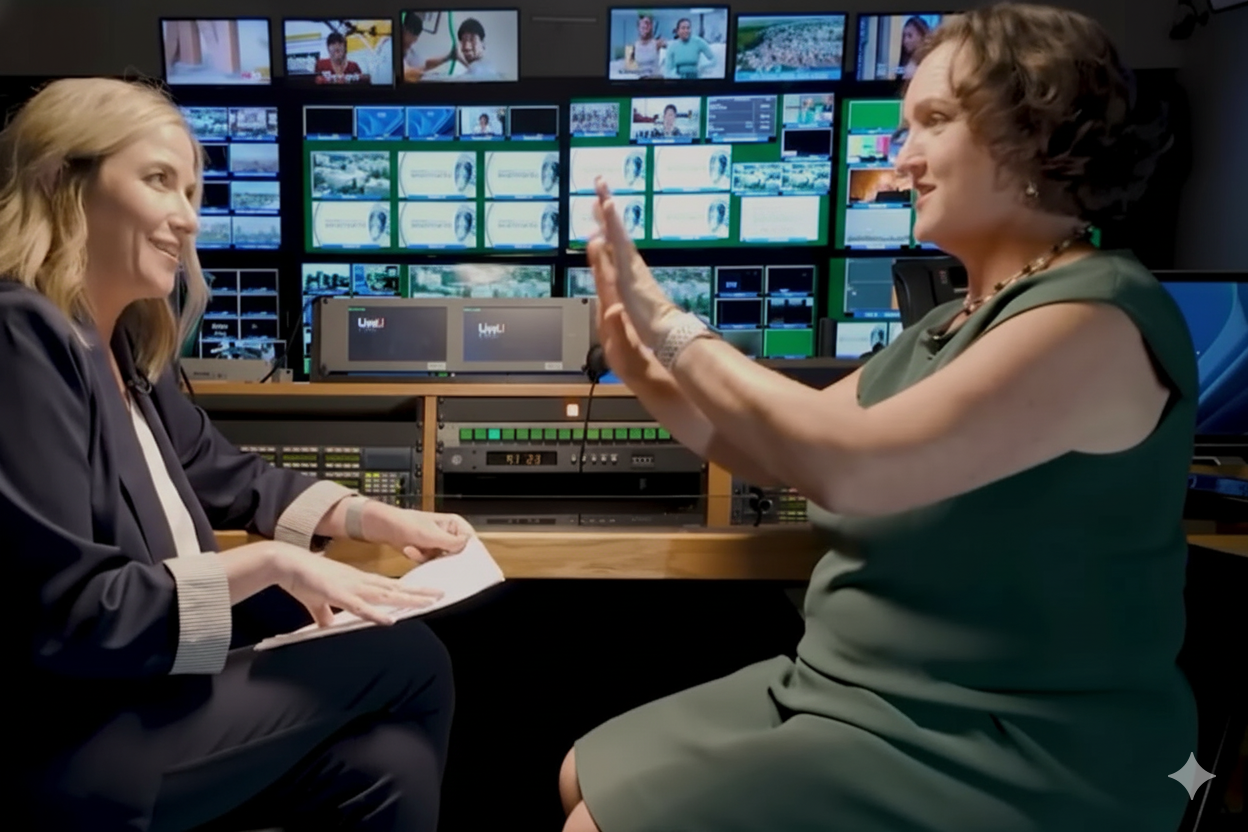
Katie Porter Attempts Walkout After Heated CBS Question on Winning Over Trump Voters
California gubernatorial candidate Katie Porter abruptly ended a CBS News Sacramento interview after a tense exchange about her plan to win over Republican voters, notably those who backed Donald Trump, provoking viral attention and renewed scrutiny of her outreach strategy.
- Interview halted: Porter tried to end a CBS News interview after repeated follow-up questions about how she would win over Trump voters in California (Video).
- Reporter: Julie Watts of CBS News California pressed the line of questioning (Video).
- Viral reaction: The exchange circulated widely online and was reposted by other outlets (Video, Video, Video).
- Political stakes: Questions centered on reaching roughly 40% of California voters who supported Trump — a pivotal bloc in the gubernatorial race (Video).
The interview and the moment that went viral
The exchange unfolded during a recorded segment in Sacramento when Julie Watts pressed Porter on outreach to Republican voters, particularly those who supported former President Donald Trump. The reporter repeatedly asked how Porter would persuade that voting bloc in a state where Democrats typically hold the edge.
Porter grew visibly frustrated with follow-up questions, describing the tone as “unnecessarily argumentative.” Video of the incident shows Porter saying:
“I don’t want to keep doing this. I’m going to call it. Thank you. You’re not going to do the interview with us? Nope. Not like this. I’m not—not with seven follow-ups to every single question you ask.”
The footage quickly circulated on social media and was reposted by other outlets; the original segment is available via CBS and reposts online (Video, Video, Video, Video).
What reporters and analysts have said
Journalists and pundits framed the moment in different ways. Some described the exchange as an example of aggressive interviewing in a high-stakes campaign context. Others treated it as a test of Porter’s ability to address voters outside her core Democratic base.
Reporters noted the line of questioning aimed to pin down how Porter would reach voters who may view Democrats with suspicion or who support national Republican figures. Commentary tied the questioning to broader debates over Proposition 50 and Republican maneuvers in state politics (Video).
Reactions split: Opponents seized on the moment to question Porter’s temperament and persuasive reach; supporters argued the questions were framed unfairly and made calm engagement difficult (Video, Video).
Source attribution and where to watch
Primary footage and reposts of the exchange are available online. Full clips and uploads include:
What this reveals about campaign communication and strategy
The episode illustrates two linked challenges: journalists pressing campaigns to define outreach beyond base voters, and candidates’ on-the-spot handling of questions about supporters of high-profile national figures. Porter’s attempt to end the interview — calling it “unnecessarily argumentative” — raises questions about how she plans to engage with constituents skeptical of her party.
Campaigns often rehearse bridging statements and rehearsed policy reinforcements for these moments. Given the clip’s viral spread, the incident will be replayed to audiences who did not see the full interview, amplifying potential impacts on perceptions of temper and outreach capability (Video, Video).
The role of Trump voters in the California gubernatorial race
Analysts highlight Republican turnout — and Trump supporters specifically — as an influential group in the election calculus. Coverage referenced the roughly 40% share of voters who backed Trump as a pivotal demographic any statewide candidate must consider (Video).
Porter’s response will be parsed by both sides: opponents may portray it as evidence she cannot reach beyond progressive voters; allies will emphasize policy achievements and targeted outreach to demonstrate broader appeal (Video, Video).
Implications for Los Angeles
Economic impact
Los Angeles voters weigh statewide leadership decisions against local concerns such as housing, homelessness, and business recovery. A campaign moment that raises questions about a candidate’s ability to reach moderate or conservative voters could shift messaging priorities toward clear, actionable plans for urban recovery.
Political consequences
Although Los Angeles is a Democratic stronghold, nationalized politics and media attention mean localized missteps can reverberate. The interview walkout may energize opponents and intensify scrutiny in debates, forums, and targeted outreach efforts in swing neighborhoods.
Social effects
For residents consuming news via social media, viral moments often outpace detailed policy discussion. Community groups and local leaders may press for town halls and small-group events for candidates to demonstrate listening and concrete plans on public safety, transportation, and housing.
Cultural relevance
Los Angeles’ diverse electorate does not fit neatly into national partisan boxes; culturally competent messaging that translates state policy into local benefits can be crucial. The incident underscores the need for localized, tangible communication.
Practical applications for voters
Voters should look beyond viral clips and review full interviews and policy statements before drawing conclusions. Neighborhood associations, local media, and city forums will be important venues to press candidates for specifics.
What to watch next in the California gubernatorial race
Expect swift follow-ups: additional interviews, campaign statements, and targeted outreach from Porter’s team aimed at demonstrating engagement with moderate and Republican-leaning voters. Opponents are likely to use the footage in contrast ads or social posts to shape impressions. For Los Angeles voters, the episode is a reminder that short viral moments can test candidate composure and influence tight races (Video, Video).


