
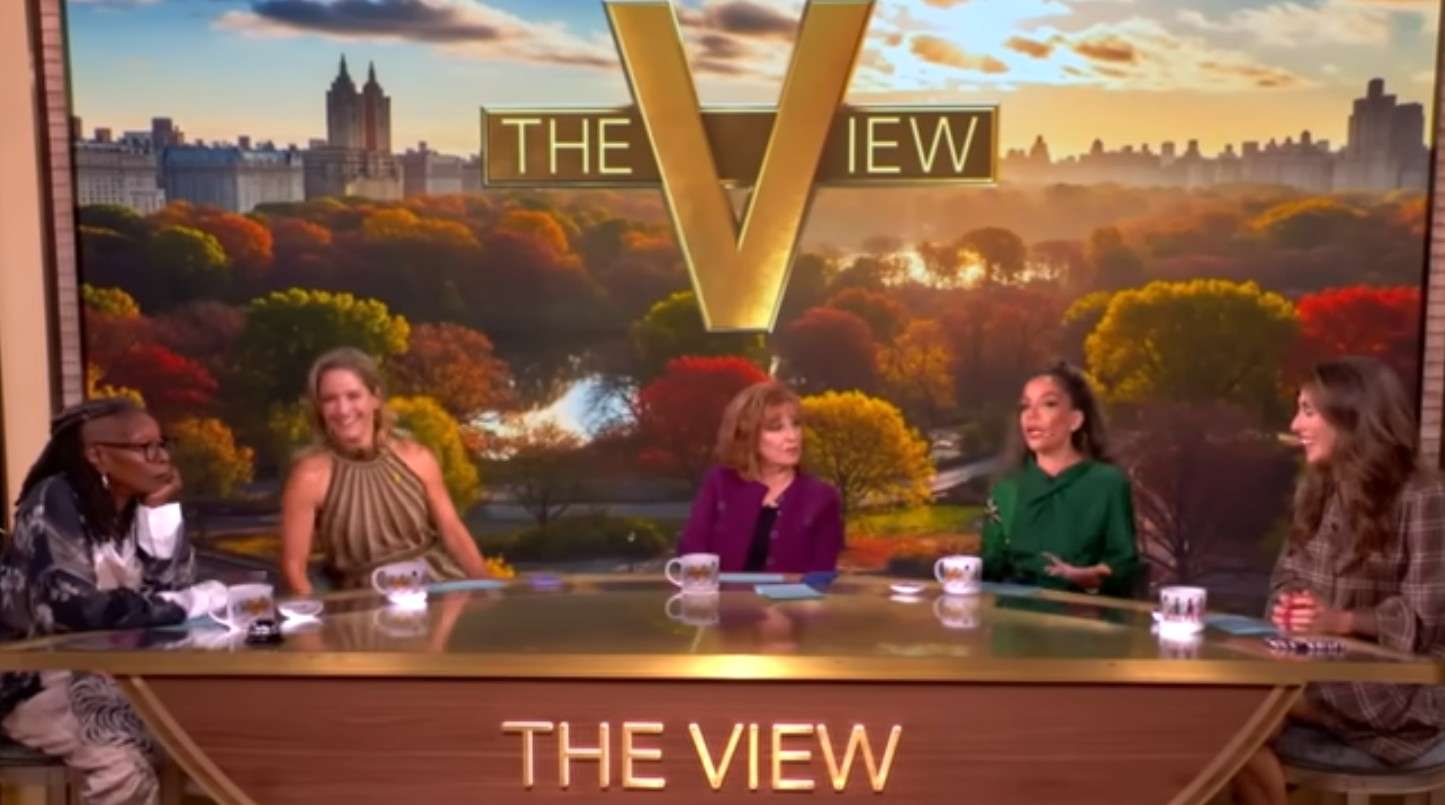
FCC Chair Says Probe of The View ‘Worthwhile’ After Jimmy Kimmel Suspension, Sparking Free Speech Debate
FCC Chair Brendan Carr said a probe of ABC’s daytime show The View might be “worthwhile” after ABC suspended Jimmy Kimmel, touching off fierce debate over FCC authority, media regulation, and First Amendment free-speech concerns.
- Fox News coverage noted Carr suggested investigating The View after Kimmel’s suspension.
- ABC suspended Kimmel following remarks about Charlie Kirk; network action is described in a background video.
- Carr referenced possible licensing questions and enforcement coverage, prompting First Amendment alarms.
- Experts including Jane Kirtley warned that policing content for distortion could threaten free-speech norms — see expert discussion.
The controversy: What happened
Timeline: ABC suspended late-night host Jimmy Kimmel after comments he made about the death of political activist Charlie Kirk. Shortly after, FCC Chair Brendan Carr publicly suggested regulators could consider reviewing ABC’s daytime talk show The View for potential broadcast rule violations — a remark widely reported by outlets including Fox News and a CNN-News18 segment.
“Such an investigation could be worthwhile,” Carr said when linking the Kimmel suspension to broader questions about broadcaster compliance.
ABC described Kimmel’s suspension as an internal, corporate response while the network reviewed the situation. Carr’s comments, however, introduced the possibility of regulatory scrutiny tied to content and licensing — an idea that alarmed media advocates and some lawmakers.
Carr’s remarks and FCC powers
Brendan Carr, a Republican FCC commissioner and former public official, framed his remarks around whether broadcasters are following rules meant to protect the public interest. The FCC historically enforces narrow categories (e.g., obscenity, indecency), but commentators warn that widening the scope to content accuracy or partisan bias would represent a policy shift.
Context: Carr connected ABC’s internal discipline to potential questions about whether broadcasters violated licensing standards — a linkage that critics say could be interpreted as regulatory pressure on editorial content.
First Amendment concerns
Legal experts such as Jane Kirtley emphasize that while the FCC has authority over certain categories of broadcast content, it must operate under clear legal standards. Kirtley warned that targeting programs for their viewpoints could set a dangerous precedent and risk chilling protected speech.
Many Democrats and press-freedom advocates quickly criticized Carr’s remarks as potential government intimidation of journalists. They argue that threats of licensing consequences for opinion or newscast content could undermine open debate.
The political response
The issue became politicized: opponents accused Carr of overreach; supporters maintained the FCC must ensure broadcasters meet legal obligations. Some Republicans emphasized that ABC’s decision to suspend Kimmel was a corporate choice, not a regulatory action.
Lawmakers urged caution — asserting regulators should enforce clear statutes without appearing to penalize viewpoints or editorial choices.
ABC’s actions and network decisions
ABC has not faced public enforcement action at the time of this report. The network framed Kimmel’s removal as an internal business decision responding to public reaction and reputational considerations. Media analysts note that regulator comments can alter the risk calculus for networks when weighing personnel decisions and advertiser relationships.
Legal experts on news distortion and regulation
The term “news distortion” surfaced in discussions about possible expanded oversight. Scholars warn that broad standards for policing accuracy or bias would be difficult to apply and could face constitutional challenges. Historically, content-based regulation of newsrooms and opinion programming has been restricted by First Amendment case law.
Experts predict any FCC action expanding enforcement into news accuracy would likely be litigated, reinforcing that legal limits and precedent will shape future regulatory decisions.
Free-speech debate moves into public view
Advocates for press freedom say government threats can silence hard-hitting commentary. Conversely, proponents of stricter oversight argue networks and platforms must be accountable for harmful or deceptive content when clear rules are broken. The tension is intensified by polarized public opinion and the influence of televised commentary on politics.
Implications for Los Angeles, California
- Local broadcasters and stations: Los Angeles hosts many TV studios and affiliates; Carr’s comments could prompt stricter internal reviews. See FCC remarks.
- Media companies and jobs: Heightened scrutiny might affect hiring and programming choices, encouraging safer content.
- Political landscape and civic debate: Local officials and advocacy groups may weigh in on press freedom versus accountability.
- Legal and civic institutions: LA law firms and free-speech organizations could see increased demand for counsel on broadcast law.
- Everyday viewers: Changes in programming tone to avoid scrutiny may affect cultural life and civic engagement.
Reporting and sources
This report synthesizes public statements, broadcast segments, and expert commentary. Primary media references include:
Note: Experts like Jane Kirtley and other legal commentators contributed analysis about FCC powers and First Amendment implications, as referenced above in the linked segments.


