
U.S. Embassy Issues Security Alert After Coordinated Gang Attacks in Guatemala City
The U.S. Embassy in Guatemala issued a security alert on January 18, 2026, after coordinated gang attacks on police across Guatemala City following deadly prison riots; President Bernardo Arévalo declared a state of emergency as authorities respond.
- Embassy alert: The U.S. Embassy alert urged Americans to exercise increased caution amid armed attacks in several zones.
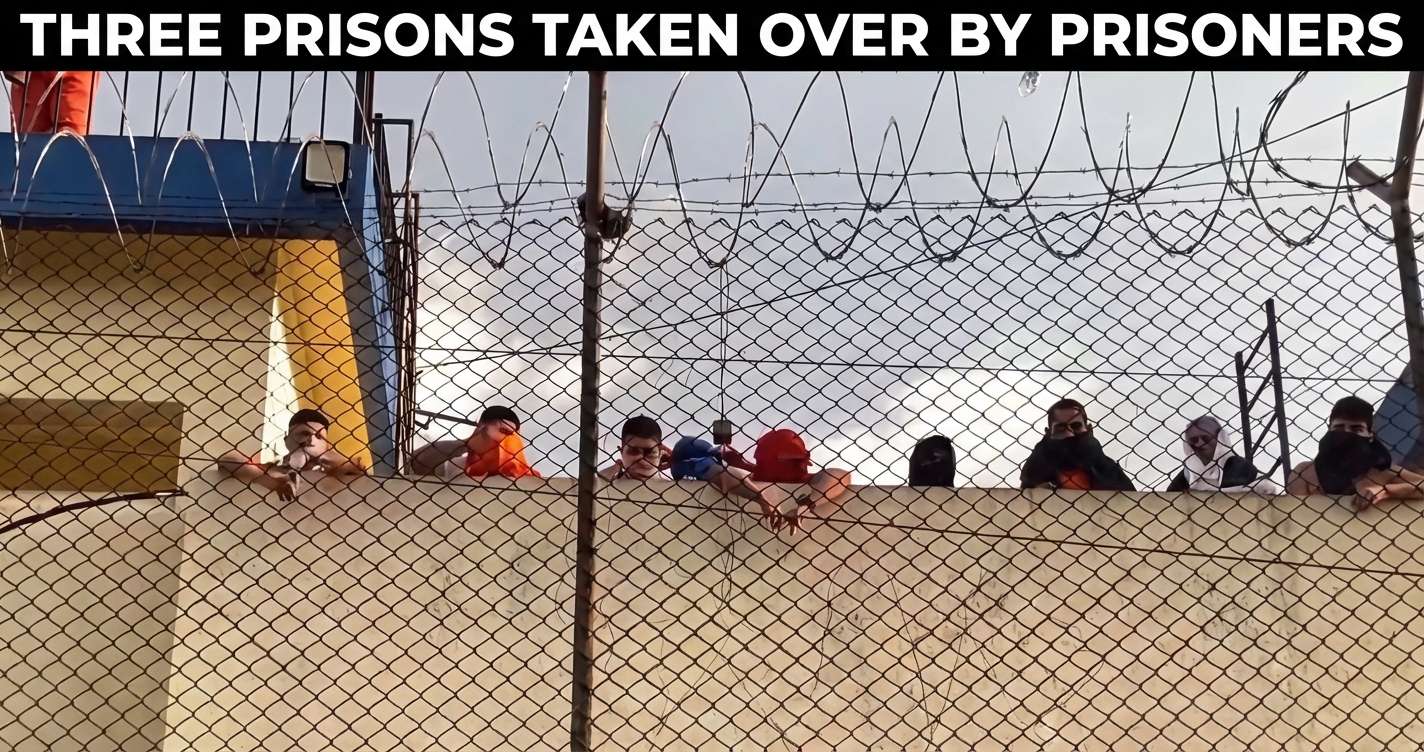
- Prison unrest: Inmates seized control of three prisons, took 43 guards hostage, and authorities report 10 police officers killed in related clashes (Fox News; Breaking Belize News).
- Government response: President Bernardo Arévalo declared a state of emergency as authorities expand police and military powers to restore order.
- Travel impact: The State Department remains at Level 3 — Reconsider Travel — and the Embassy advised monitoring media, avoiding crowds, and registering with STEP.
What the U.S. Embassy warned
The U.S. Embassy alert described armed attacks on police across multiple zones of Guatemala City and urged U.S. citizens to exercise increased caution. Recommendations included:
- Avoid large gatherings and demonstrations
- Keep a low profile and minimize unnecessary travel
- Monitor local media and official Embassy notices
- Review personal security plans and emergency contacts
In a subsequent Embassy update, staff were allowed to leave shelter-in-place but officials emphasized the situation remained tense and dynamic. The Embassy’s public notices are available in its public notices archive.
Prison riots and coordinated attacks
The unrest began with uprisings at three prisons where reports indicate inmates seized control and took dozens of guards hostage. News accounts place the number of guards taken at 43 and report that 10 police officers were killed during clashes when responding units were attacked in coordinated actions (Fox News; Breaking Belize News).
Authorities attribute the coordinated actions to criminal groups including Barrio 18 and Mara Salvatrucha (MS‑13), groups long linked to regional violence and designated as criminal or terrorist organizations by Guatemalan authorities (Fox News).
Government response and state of emergency
President Bernardo Arévalo declared a state of emergency to counter what officials described as coordinated gang actions against state security forces. The measure expands police and military powers in affected areas while authorities work to retake prisons and secure neighborhoods.
The Embassy said those responsible or who cooperate with them “have no place in our hemisphere,” and affirmed support for Guatemala’s security forces.
U.S. travel advisory and Embassy stance
The U.S. State Department currently lists Guatemala at Level 3 — Reconsider Travel because of violent crime (reporting cited by Fox News). The Embassy condemned the attacks and issued practical safety guidance: keep a low profile, avoid gatherings, review personal security plans, and follow local restrictions (Embassy update).
Impact on travelers and tourism
Despite the risks, Guatemala hosted more than 2.9 million international visitors from January–November 2025, per reporting that cites the Guatemalan Tourism Institute. The unrest may prompt travel disruptions, flight changes, and fewer tourist activities in affected zones.
Travelers were advised to contact carriers and tour operators, consider postponing nonessential trips, and ensure registration with the State Department’s Smart Traveler Enrollment Program (STEP) to receive Embassy updates (U.S. Embassy alert).
Background on the gangs and past incidents
Barrio 18 and MS‑13 are transnational criminal groups with deep roots in Central America and the United States. They control drug routes, extortion networks, and other illicit activities. Prison overcrowding and gang rivalries have long contributed to deadly disturbances in Guatemalan facilities and periodic spikes in violence.
Implications for Los Angeles, California
Economic: Los Angeles has strong ties to Guatemala through trade, remittances, and tourism; disruptions could affect cargo flows and local businesses. Tour operators based in L.A. may see cancellations and should monitor airline notices and Embassy guidance (U.S. Embassy alert).
Political: Local officials may seek briefings on consular support, immigration processing, and public safety for constituents with family in Guatemala.
Social: L.A.’s large Guatemalan and Central American diaspora may experience anxiety over relatives; community groups and consular services should prepare to provide information, counseling, and assistance.
Practical applications for residents and travelers in Los Angeles
- Consider postponing nonessential travel to Guatemala and contact carriers or tour operators about rebooking options (U.S. Embassy alert).
- Register travelers with the State Department’s STEP program to receive Embassy updates.
- Families should keep contact information current and rely on official sources — Embassy notices and reliable local media — for the latest guidance (Embassy public notices archive).
- Community organizations and consular offices should prepare to assist with temporary housing referrals, travel coordination, and crisis counseling.
Sources and reporting
This article draws on the U.S. Embassy security alert (Jan. 18, 2026) and the Embassy update, along with reporting from Fox News and Breaking Belize News. The Embassy’s alerts are archived at gt.usembassy.gov/category/alert/.
Reporting note
The U.S. Embassy alerts and the cited news reports were current as of January 18–19, 2026. Check official Embassy pages and local authorities for updates (U.S. Embassy alert; Embassy update; Fox News; Breaking Belize News).


