
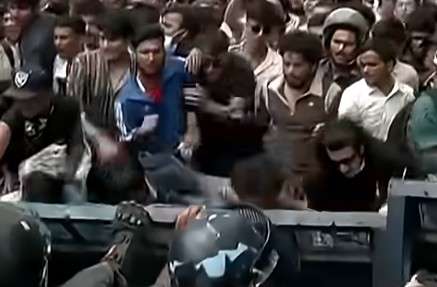
Violence Surges in Nepal as Gen Z Protests Continue Even After Social Media Ban Lifted
Unrest grips Nepal as nationwide protests, sparked by a government social media ban in early September 2025, intensify into violent clashes. Led mainly by Gen Z, demonstrations expose deep frustration over corruption and ineffective governance.
- Trigger: Government-imposed shutdown of major platforms, including Facebook, Instagram, YouTube, WhatsApp, LinkedIn and Snapchat, citing noncompliance with local registration rules; see the video summary.
- Participants: Mostly Gen Z (born 1995–2010), students and youth groups, documented by Human Rights Watch and ABC News.
- Casualties: At least 19 protesters killed and more than 300 injured on key days of clashes, according to Human Rights Watch.
- Political fallout: Curfews, heavy security responses and resignations including Home Minister Ramesh Lekhak and Prime Minister K.P. Sharma Oli; reporting by ABC News and live updates from NDTV.
What began as a digital-rights protest
The unrest began after Kathmandu ordered a shutdown of major social media platforms on Sept. 4, 2025, saying companies had not set up local points of contact and compliance officers required by new rules. Officials framed the action as enforcement of local law, but many young Nepalis saw it as an attack on free speech and a tool to control information and organizing online. Video reports and eyewitness footage documented crowds that gathered in the days after the ban; see the video summary.
Rapid shift from online freedom to broader political anger
Within days, rallies for digital rights morphed into mass protests against entrenched corruption, nepotism and ineffective governance. Tens of thousands — primarily Gen Z — demonstrated in Kathmandu and cities including Pokhara and Itahari. The movement was often informal and leaderless, with local youth coalitions such as Hami Nepal participating alongside spontaneous, networked action documented by Human Rights Watch and summarized on Wikipedia.
Escalating confrontations and a heavy security response
As crowds approached symbolic sites, including the Federal Parliament, authorities used water cannons, tear gas and rubber bullets. Rights groups reported that security forces used live ammunition during some confrontations — a claim highlighted in Human Rights Watch coverage — leading to a deadly day of clashes on Sept. 8 when at least 19 protesters were killed and over 300 injured.
“Security forces used live ammunition during some confrontations,” according to Human Rights Watch reporting; that use of force precipitated intense public outcry and demands for independent inquiry.
Protest actions turned destructive in places: footage shows protesters storming parts of the parliament complex, setting fire to some government buildings and vandalizing homes of senior political figures. Authorities imposed curfews in multiple cities — Kathmandu, Birgunj, Bhairahawa, Butwal, Pokhara, Itahari and Damak — but street actions continued, complicating restoration efforts (see live updates from NDTV and reporting by ABC News).
Political fallout and accountability demands
The scale of unrest and the deaths intensified pressure on senior officials. Home Minister Ramesh Lekhak resigned, and Prime Minister K.P. Sharma Oli stepped down amid mounting criticism — a rare instance of protests prompting top-level political change in recent Nepali politics (ABC News; Wikipedia). Protesters demanded independent investigations into police conduct and systemic reforms to tackle corruption and nepotism.
Why lifting the ban did not calm the streets
Although the government later lifted the social media restrictions, the movement’s focus had expanded beyond digital freedom to structural change. By unblocking platforms, officials did not address calls for investigations, accountability or political reform. Human rights groups urged independent inquiries and protection of peaceful assembly while condemning violence from any side (see Human Rights Watch and ABC News).
Generational and cultural signals
Observers noted clear generational markers: protesters used cultural symbols — including imagery inspired by the Straw Hat Pirates’ Jolly Roger from the anime One Piece — signaling youth identity and global cultural ties. The movement’s leaderless, networked organization reflected how Gen Z mobilizes via fluid online networks, even when governments attempt to limit platforms (Wikipedia).
Humanitarian and civic consequences
Hospitals reported surges of injured people; businesses closed during curfews; and daily life was disrupted across several cities. Civil society and international organizations called for restraint and independent reviews into the use of force by security services (Human Rights Watch).
Implications for Los Angeles, California
Economic impact: Disruptions in Nepal can affect sectors tied to Los Angeles — tourism, remittances and small-business supply chains. Nepali-owned restaurants, import businesses and travel agencies in L.A. may see cancellations or delays.
Political consequences: The protests mirror global youth-led demands for transparency. L.A. leaders may face renewed calls to engage young voters and immigrant communities on human rights and governance.
Social effects: L.A.’s Nepali and South Asian communities will closely follow events; expect vigils, solidarity actions and increased community organizing.
Practical applications: Local nonprofits and service providers should prepare counseling, legal clinics and information sessions. Journalists and civic groups can amplify verified information and consular resources.
Ongoing questions and what to watch
- Will independent investigations into the use of force be launched and be credible? (Human Rights Watch).
- Can negotiated political reforms address protesters’ demands about corruption and accountability?
- How will the movement’s leaderless structure influence its ability to push specific policy changes?
- Will international pressure and diaspora organizing shape Nepal’s political response? See live coverage from NDTV and reporting by ABC News.
Sources and reporting notes
This account synthesizes reporting and rights monitoring published after Sept. 4, 2025. Key sources include Human Rights Watch, ABC News, live updates from NDTV, a public summary on Wikipedia, and video reporting (video reporting).
Human Rights Watch provides detailed documentation of clashes and deaths; ABC News reported on political resignations and wider public reaction.


