
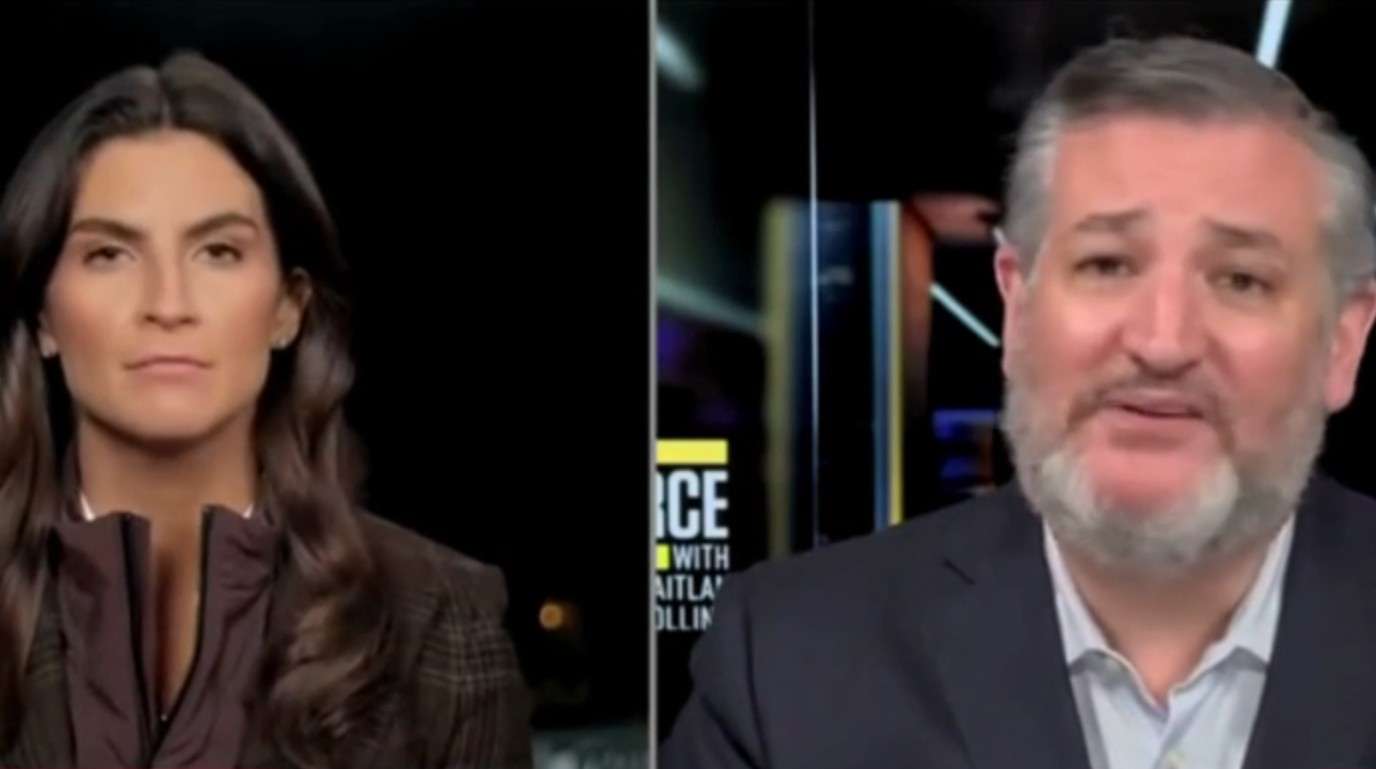
Ted Cruz Clashes With CNN’s Kaitlan Collins, Accuses Network of ‘Misinformation’ Over Charlie Kirk Shooting
Sen. Ted Cruz sharply confronted CNN host Kaitlan Collins on air, accusing the network of “misinformation” for allegedly downplaying law enforcement claims that the shooter was motivated by left-wing animus in the fatal September 10, 2025, killing of conservative activist Charlie Kirk.
Key takeaways
- On-air confrontation: Sen. Ted Cruz pressed Kaitlan Collins, accusing CNN of minimizing law-enforcement claims about the shooter’s political leanings and of spreading “misinformation.”
- Accusations of bias: Cruz accused CNN and other left-leaning outlets of “both-sides-ism” and said social-media celebrations of the killing were “physically sickening.”
- Incident context: Charlie Kirk was killed Sept. 10, 2025, at a Turning Point USA event at Utah Valley University, intensifying debate over political violence and media reporting.
- Sources and verification: The exchange highlighted tensions between political figures asserting motives and journalists emphasizing verification and official confirmation.
The on-air exchange
During a widely shared cable segment, Sen. Cruz repeatedly pressed Kaitlan Collins about statements he said came from law enforcement identifying the shooter as a “left-wing activist who hated Charlie Kirk.” Cruz accused CNN of minimizing those claims and of presenting the story as if no motive had been established.
“CNN should not be engaged in misinformation,” Cruz said on air, pressing Collins to acknowledge what he described as law-enforcement findings.
Collins responded that reporting was ongoing and that officials had not publicly confirmed a motive at that time, reflecting newsroom caution during rapidly developing incidents.
What Cruz says and why he pushed the point
Cruz framed his criticism around three claims: (1) that law enforcement had identified the shooter’s political leanings and motive; (2) that some media outlets were downplaying a left-wing motive to avoid partisan backlash or because of bias; and (3) that social-media posts celebrating the killing demonstrate a cultural problem among some on the left.
He argued that framing matters because the way outlets describe motive shapes public understanding, policymaking and perceptions of political violence.
CNN’s reporting posture
Collins and CNN emphasized that reporting was ongoing and that officials had not publicly verified motive at the time of the interview. That approach mirrors standard journalistic practice: avoid attributing motive until investigators and official sources corroborate details.
The WMAL coverage of the segment captured Collins’ emphasis on verification while Cruz insisted the facts were already clear. For the original report see the WMAL report on Cruz’s exchange with Collins.
Background: Charlie Kirk’s shooting and aftermath
Charlie Kirk, founder of Turning Point USA and a prominent conservative campus activist, was shot and killed at a Turning Point event at Utah Valley University on September 10, 2025. The killing prompted national condemnation, investigations by local law enforcement, and renewed scrutiny of threats to public figures and campus safety.
In the days after the shooting, national leaders reacted strongly; reports indicate former President Donald Trump said Kirk would posthumously receive the Presidential Medal of Freedom. For background details see Background on Charlie Kirk (Wikipedia).
Reactions on social media and the broader debate
Cruz pointed to social-media posts that he said celebrated or justified the shooting as evidence of a cultural problem. Independent reports noted a spike in rancorous posts across platforms; platform enforcement and law-enforcement responses varied.
Media critics on both sides noted the incident illustrates how quickly political narratives form after a public-figure attack: some outlets emphasize caution and verified facts; others move faster and may amplify unconfirmed claims.
Fact-checking, motive, and reporting standards
The core dispute in the Cruz-Collins exchange was whether publicly available evidence supported attributing a left-wing motive. Cruz said such evidence existed; Collins and CNN urged reliance on official confirmation. Journalistic standards typically advise caution to avoid misinformation even as that caution can frustrate officials and viewers who believe facts are clear.
How the exchange fits into a larger pattern
The clash reflects recurring confrontations between conservative politicians and mainstream media over alleged bias and framing. For critics like Cruz, networks may downplay left-wing ideology connected to violence; for many journalists, accuracy and verification take precedence. Television interviews increasingly serve as platforms for political theater, with audiences interpreting segments through partisan lenses.
Implications for Los Angeles, California
Economic impact
- Security and event costs: Organizers and venues may increase security at L.A. events, raising costs for governments, universities and private venues.
- Tourism and conventions: Perceptions of risk at large gatherings could influence convention planning and venue bookings.
Political consequences
- Local campaigning and rhetoric: City leaders may face pressure to comment on national tensions and media accountability.
- Policy debates: Discussions may intensify around policing at political events, hate-crime classifications and online harassment enforcement.
Social effects & cultural relevance
- Community safety concerns: Residents and campuses may review security protocols for speaker events.
- Media trust: Demand for local investigative reporting that emphasizes verification and context may grow.
Practical applications
Organizations in Los Angeles should review emergency response plans, coordinate with law enforcement for high-profile events, and communicate security measures to attendees. Local institutions can expand media-literacy programs to help residents distinguish verified reporting from assertions circulating online.
Sources and further reading
- WMAL report on Cruz’s exchange with Collins
- Houston Chronicle coverage of responses to Charlie Kirk’s death
- Background on Charlie Kirk (Wikipedia)
The Cruz–Collins confrontation adds a local dimension to a national argument about how the news media should handle politically charged violence. For Los Angeles, the episode raises questions about public-safety costs, trust in reporting, and how the city navigates an increasingly polarized media environment.


