
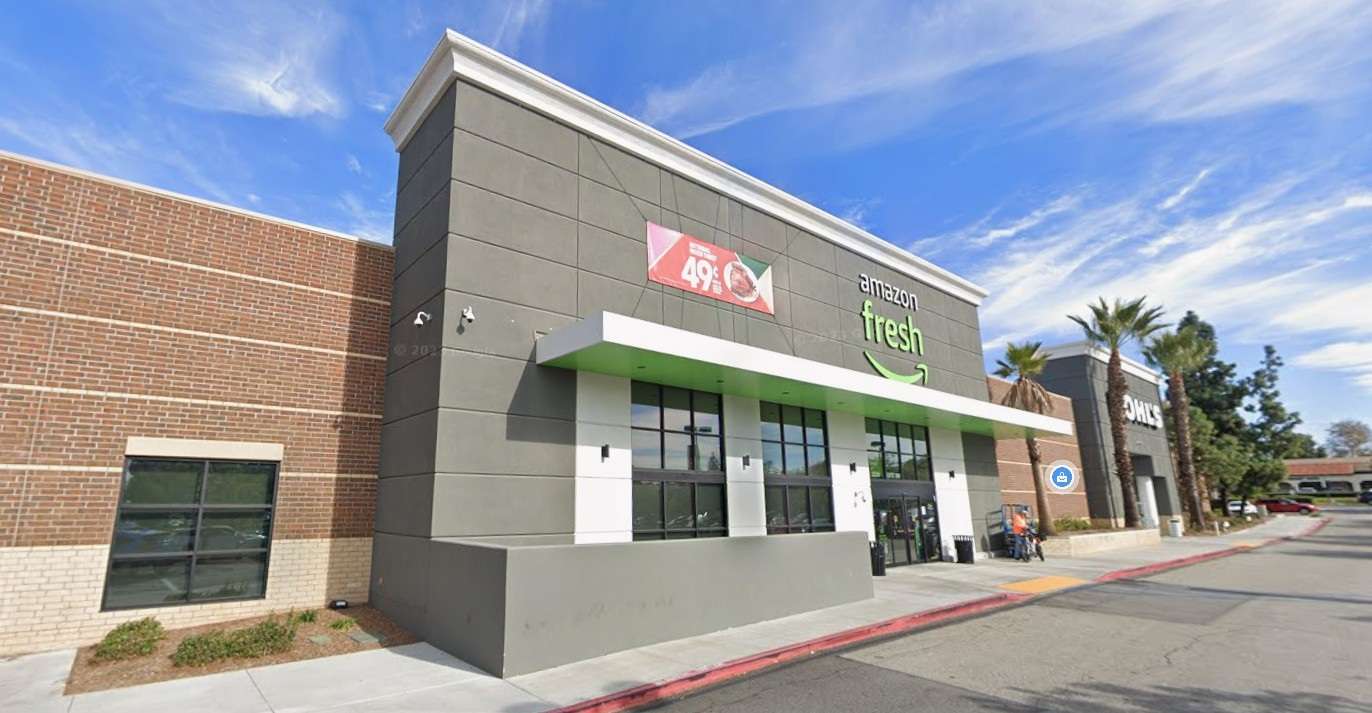
Amazon to Close Four Southern California Amazon Fresh Stores as It Recasts Grocery Strategy
Amazon will close four Amazon Fresh stores in Southern California — Mission Viejo, La Habra, Whittier and La Verne — as it narrows its physical grocery footprint, leans on Whole Foods and reassesses which store formats perform best.
- Four Southern California stores closing: Mission Viejo, La Habra, Whittier and La Verne.
- Strategic pivot: Amazon is shifting emphasis toward Whole Foods and online delivery while trimming underperforming Fresh locations.
- Employee support: Amazon says it will assist affected workers and provide severance in some cases.
- Broader pattern: This follows additional Fresh closures in the U.S. and U.K., with some sites converted to Whole Foods.
What Amazon said and why
“Certain locations work better than others,” a company spokesperson said, framing the closures as the result of performance assessments. Amazon has signaled a reallocation of resources toward formats and channels that show stronger returns, including Whole Foods and delivery services. Source reporting is available from TechBuzz and analysis from eMarketer.
Key point: Amazon’s Fresh format, launched to reach mainstream grocery shoppers beyond Whole Foods’ higher-end base, faces stiff competition and high fixed costs for physical stores.
Which stores are affected
The four Southern California Amazon Fresh stores slated to close are in Mission Viejo, La Habra, Whittier and La Verne. The La Verne location was notable for opening inside a repurposed portion of a downsized Kohl’s — an experiment in smaller-format grocery that now appears to have underperformed (see Jason Miller Substack and TechBuzz).
Employee impact and company response
Amazon says it will help affected workers find other roles within the company and will provide severance to some employees. Staff at the La Verne store were reportedly told of a mid-November closure date and offered severance packages per reporting by TechBuzz.
“We will help employees impacted by this decision find other roles at Amazon and provide severance where applicable,” the company said in statements reported by the press.
Industry context: a broader pullback
The Southern California closures are part of a wider pattern. Amazon has closed additional Fresh stores across the U.S. this year and shuttered 14 locations in the U.K., with some sites converted into Whole Foods stores. Amazon currently operates about 57 Fresh stores and 527 Whole Foods locations, while legacy grocers like Walmart and Kroger run thousands of stores. Most grocery purchases still occur in person, making scaling a new physical format difficult (eMarketer).
Why some Fresh locations may have underperformed
Analysts point to several factors:
- Location and format: Smaller-format experiments, like the La Verne store in a repurposed Kohl’s footprint, may not deliver sufficient volume relative to costs (Jason Miller Substack).
- Competition: Established supermarket chains and regional grocers maintain large physical networks and entrenched habits.
- Operational complexity: Managing both online delivery systems and brick-and-mortar stores at scale remains costly and complex.
What this says about Amazon grocery strategy
The pattern of closures and conversions suggests Amazon is retrenching from an expansive Fresh rollout and doubling down on formats with clearer returns: Whole Foods, delivery, and online ordering. Analysts argue that without a large acquisition or a significant new push into mass-market physical grocery, Amazon’s role in everyday food shopping may remain skewed toward premium shoppers and delivery channels (eMarketer).
Implications for Los Angeles, California
Economic impact
Closures will affect local employees and could increase short-term demand for job-placement services. Vacant retail space may pressure landlords and open opportunities for regional grocers, discount chains, or specialty markets to expand.
Political consequences
Local officials may face questions about retail health, job security and food access. The closures could prompt discussions on zoning, incentives, and support for smaller grocers or workforce programs.
Social effects
Residents who relied on nearby Fresh locations may need to travel farther or switch shopping patterns. Senior and carless shoppers could be particularly affected if alternatives are not nearby or transit-friendly.
Cultural relevance
The La Verne experiment inside a downsized Kohl’s highlighted national retailers’ attempts to repurpose space; its closure underscores how retail experiments are tested and adjusted, sometimes leaving communities feeling a loss of local investment.
Practical applications for residents
- Check local store notices for exact closure dates and employee information; La Verne was told mid-November for closure (reported by TechBuzz).
- Compare nearby supermarkets, discount grocers and independent markets; consider delivery options if convenience outweighs cost.
- Community organizations and local leaders may need to plan for short-term job support and food-access solutions.
Broader regional market signals
Southern California’s dense grocery market, strong competition, and the fact that roughly 86.3% of U.S. grocery sales still occur offline makes it difficult for a new physical format to scale rapidly. The closures are a reminder that national strategy changes ripple into local economies and communities (eMarketer).


